Last week, I was feeling like one of the Scissor Sisters locked up in the Joy. I spend fifteen hours a day in our little house in Petion-Ville and twenty-four hours a day some weekends. I leave for work at 6 a.m. and return at 3 p.m. to lockdown and lights out. I travel through the city on a minibus like someone on safari; observing an urban habitat from a safe distance but never entering it because I’m prey. Or so they say.
I’m sad that I can’t have one authentic interaction with a person on the street because, Jesus, that’s why I came here. If I can’t be a real citizen of this city, I might as well dial my office work in from home. I’m frustrated that I can’t take photos either because Port-au-Prince is visually spectacular. Every street corner is a living picture filled to the frame with desperation and a strange kind of romance. The heat and the colours are scorching.
I was hurtling home one afternoon thinking, ‘I really want to share this view’. I’m starting to enjoy this city, you see. It’s growing on me and I don’t know how it happened. One day I thought, ‘Nothing is regulated here. I really question that’. The next day I thought, ‘Nothing is regulated here. I half admire that’. I think the public servant in me passed away peacefully one night in Petion-Ville. She must be location-specific.
So, I was sulking about not being able to take photos on the street because a picture paints a thousand words. Then I thought, ‘Maybe a thousand words could paint a picture’. I’d like to show you what I see through the window of a very bockety bus. Will you jump on that bus with me? If it had seat belts, I’d tell you to buckle up.
The first thing you’ll see is dust; clouds of it rising from the rubble and the road to buffet your bleary bed head. The windows of the bus are always open because of the heat, so I swallow good-sized swirls of dust whole. The dust hurts my eyes and coats my teeth. Sometimes it smells toxic too, like something is burning that should never have been set alight – rubbish, giant truck tyres, animal carcasses maybe. My lungs don’t like the dust or the smell; I cough like a consumptive when I arrive at work. Someday, a medical professional will examine my chest x-rays and say, ‘Nobody told me she worked on building sites. In the nineteen-fifties’.
When the dust settles, you’ll see what I mean about the lack of regulation here. In this city, you build what you like where you like, you don’t worry about water standards or refuse disposal, you set up your own business with a plastic chair and a Digicel sun umbrella, you make and sell food with no knowledge of or regard for hygiene, you pay no taxes, you stand or squat in the street to pee, you drive like a maniac in a vehicle that will never see an NCT, permits and licences do not enter your vocabulary. You do these things because you’re living in extreme poverty so you don’t have an ounce of spare energy for red tape or pretension.
You don’t have a spare gourde to spend either. A complete lack of disposable income is whispered by the seldom seen things; sunglasses, cigarettes, motorbike helmets, spoiled pets. Their absence is a more reliable economic indicator than any exchange rate. In Port-au-Prince, the most pressing thought in the collective consciousness is getting through the day. That push is palpable, even through the window of a small vehicle that’s just passing through. I’m not celebrating that struggle but it’s the most honest place I’ve ever lived. What you see is what you get and you see absolutely everything.
Given the poverty and the lack of social welfare, I expected the people here to look ragged. Tattered clothes are not what I see on these streets. I see people making the most of what they have, which is mostly imported, second-hand clothes.
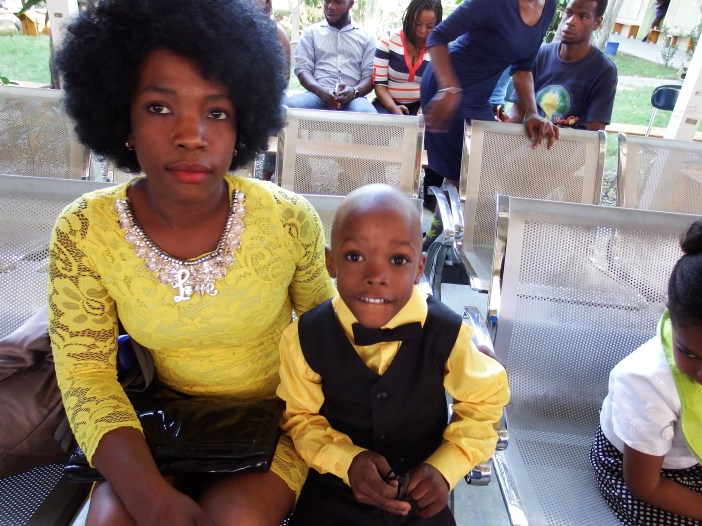
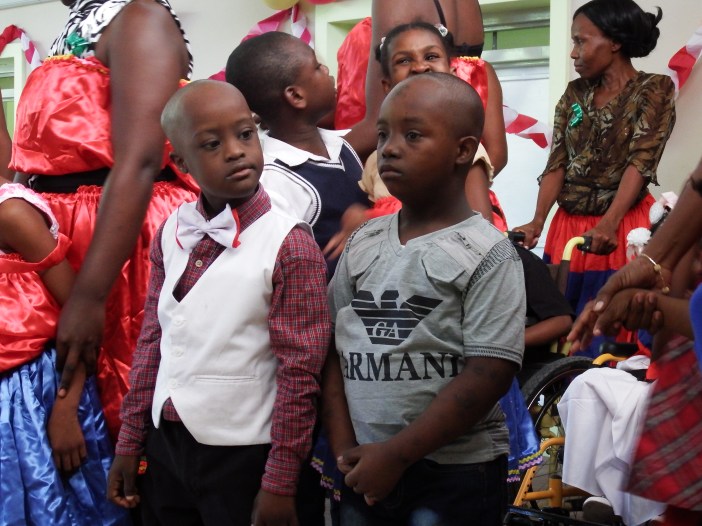
Haitians have great natural style but it’s random by necessity. Men wear Christmas jumpers in October and slogan t-shirts all year. They say things like Speed Bitch, I’d Rather be Farming, Here’s the Beef and Being Lucky Rocks! Women wear glittering sequins all the live-long day. Children skip around in Communion dresses. It’s like a charity shop and a TK Maxx exploded and there was a communal scrum for the combined contents. But, if you look closely, the people of Port-au-Prince are very aware of what they wear; their colours are perfectly co-ordinated, their accessories are chosen with care. I’d love to capture this street style and celebrate it online; it’s more inventive than anything I’ve seen elsewhere.
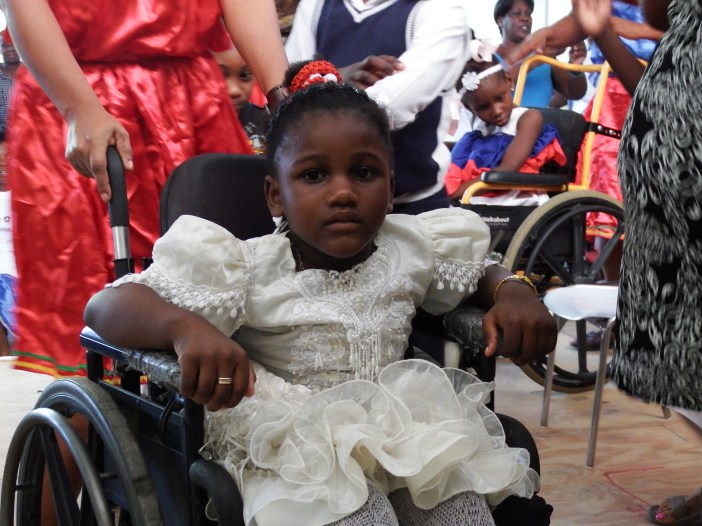
And the children. Jesus, the children. Haitians must use more yards of ribbon per head of population than any other nation. Literally; every little girl’s hair is extravagantly bedecked. Many families can’t afford to send their children to primary school; those who can go to great lengths to turn their children out well. They waltz them there and pirouette them back, in ribbons and lacy ankle socks. The lucky ones get an ice-cream on the way home.
Small secondary schools are manifold so the uniforms are too; I count twenty-four different varieties on my morning commute. The colours are like a squirt of fresh lemon juice to the eyeball; they’re citrussy, they’re blinding, they’re outrageous, they’re bold. There would be uproar if my teenage nephews had to wear tangerine trousers and peach shirts to secondary school. They’d drop out and my sister would be on the run from social services on account of their truancy. Haitian boys add a fake Hermès belt and swagger around like they just invented orange.
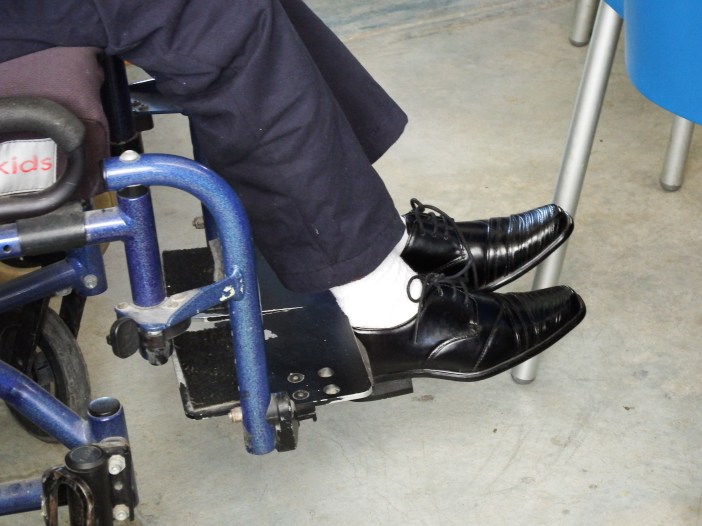
We’ll arrive at the Kay Ste. Germaine school for special needs children carrying some of the things that we minded on the way; water samples that could contain cholera, cardboard boxes that definitely contain cats. No cargo could surprise me now. I’ve seen squalor on my way to work and I’ve thought about my own unearned privilege in the face of it. I’ve met people’s eyes and I’ve smiled at them to say, ‘I’m here to help. I hope you know I’m here to help’. Maybe that’s an authentic interaction after all. Maybe I’m just fooling myself. Either way, it’s all I have for now. Difficult journeys have insight in them. I thank God for mine.
 believeinthelightblog